According to Ireland’s Road Safety Profile produced by the European Commission, 41% of road fatalities occur when it is dark… Whether it’s due to people being more tired, poor car maintenance or reduced visibility, considering the statistics, we all need to be aware of the dangers of driving in the dark.
Our simple and comprehensive checklist will ensure you can keep yourself, your passengers and other road users, safe in the dark!
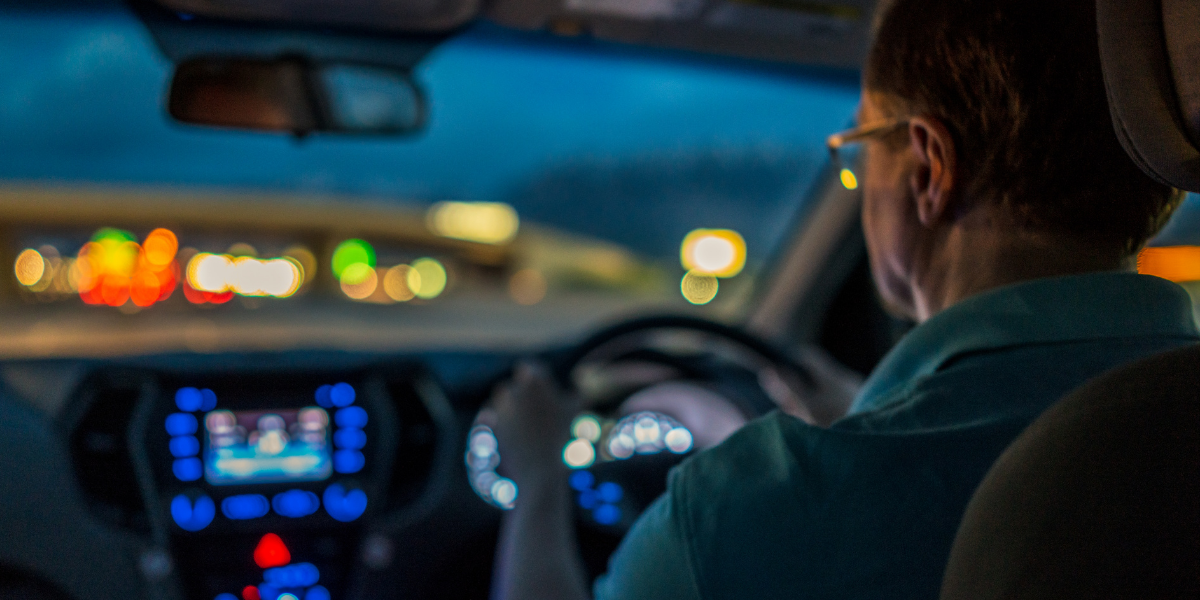
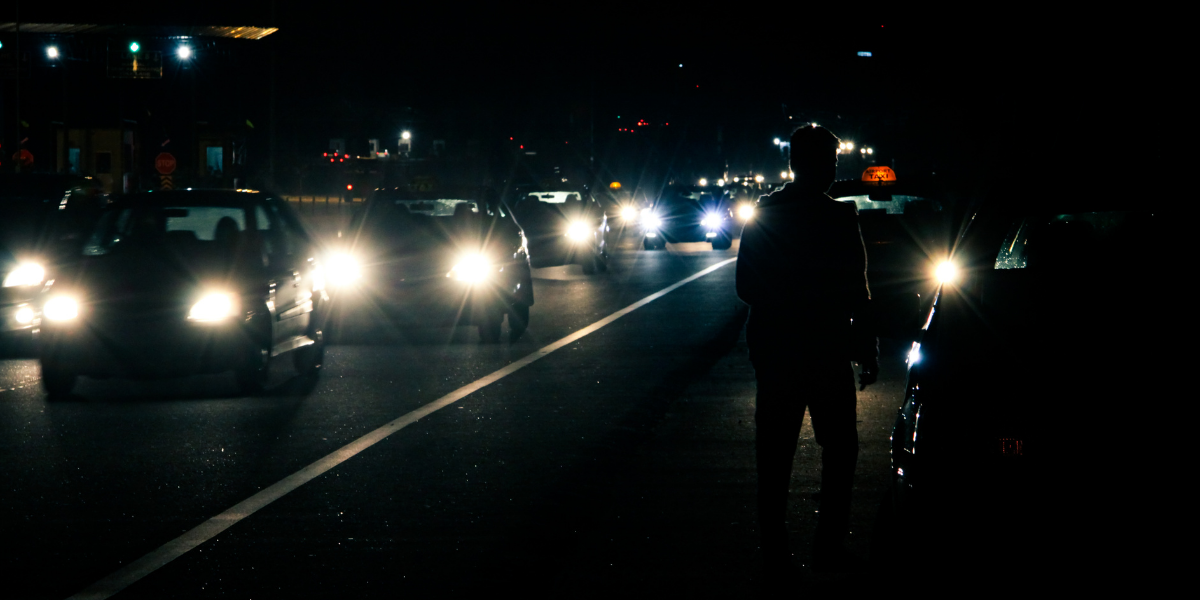
It’s beyond a standard ‘driving tip’ but if you’ve only just qualified, or you’re an experienced driver but you’ve started to feel uncomfortable driving at night, it’s worth investing in extra lessons. Driving instructors often have special rates for pupils to have evening lessons, or you can look into speciality driving courses, which will cover night driving as well as other advanced driving elements that will improve your confidence and ability.

The Rules of the Road states:
Your lights, reflectors, number plate lighting and direction indicators will be effective only if you keep them clean and in good working order.
It is recommended that dipped headlights only be used when driving or when stopped in traffic. Avoid having them switched on when stopped at the side of the road. You should not use headlights when parked. If you need lights when parked or stopped, use ‘side’ lights or ‘parking’ lights. If your vehicle is fitted with day time running lights, remember to switch on your dipped head lights at lighting up time.
It’s important to stay up-to-date with advice and regulations – check out our blog and see if you really know the Rules of the Road!
LESS LIGHT – The darker it is, the harder it is to see! Your eyes take time to adjust and even when there is street lighting, it’s often low and doesn’t provide consistent light. Reduced visibility means less time to read road signs and react to hazards.
DAZZLE – Many people suffer with being dazzled by headlights. Using full beam incorrectly can cause drivers to be momentarily blinded by glare, but many people struggle with normal headlights in the dark. It’s recently been found that women in perimenopause are particularly susceptible to being dazzled by headlights. It can take several seconds for eyes to recover, which is a dangerous amount of time to have your vision compromised.
SPEED & DISTANCE – This is of course related to vision, but the darkness makes it harder to judge speed and distance accurately, whether that’s of other vehicles, cyclists or pedestrians.
REACTION TIMES – Drivers’ reaction times are affected by the darkness and it means your ability to avoid hazards and simply react to the flow of traffic is inhibited.
CHANGING CONDITIONS – The clock change means many drivers forced to tackle rush hour traffic suddenly have to manage congested roads in the dark – the darkness making it harder to judge speed and distance is only made worse by increased traffic.
TIREDNESS – During Autumn and Winter, darkness doesn’t necessarily mean it’s late, but for very early morning or night time driving at any time of the year, being drowsy is a dangerous condition in which to operate a vehicle. When it’s dark, it will only exacerbate any fatigue and drivers become a danger to themselves and every other road user.
DRUNK DRIVERS – While the overall number of drunk drivers on the road has decreased over the last decade, there are still significantly more drivers over-the-limit at night. Any driver impaired by alcohol or drugs is a significant threat as their co-ordination, judgement and reaction times are affected.
INEXPERIENCE – Newly qualified teen drivers usually have far less experience of driving in the dark and are more likely to be affected by the additional challenges of night time driving – making them more dangerous.
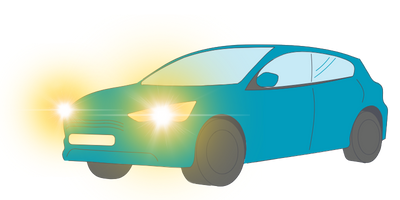
Headlight glare is a growing issue for many drivers. Research has showed that 25% of people are choosing to drive less due to night time glare of headlights and 5% have stopped driving in the dark all together!
There are several factors that are thought to be contributing to this danger of night-time driving…
The AA has a specific article on headlight glare if you’d like to find out more.
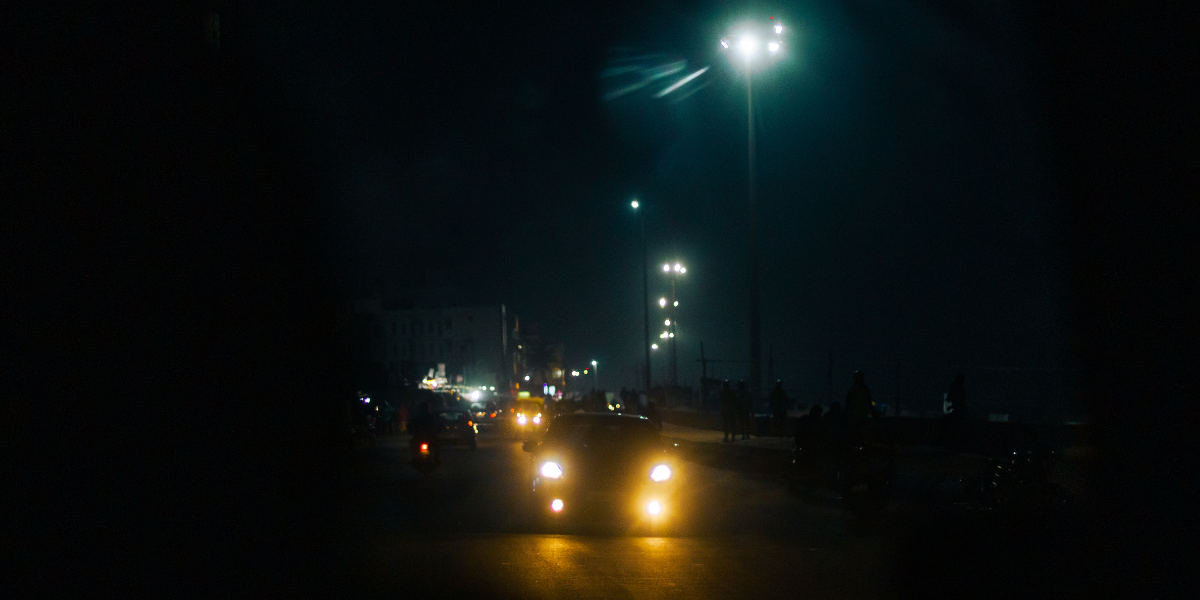
Hopefully your journey will be trouble free, but in case you have an accident or a breakdown, we recommend having these items accessible in your car:
A torch will be useful in most circumstances, particularly a head torch, which will enable you to keep your hands free! Even summer nights can get cold, so warm clothing and a blanket are always a good idea. Plus a waterproof coat in case you have to wait away from your vehicle in the rain. It’s essential your mobile phone is charged before you set off and whether it’s for you or someone else, it’s useful to have an ICE card in your car with details of who you can call in an emergency, including your breakdown cover and insurance company. During winter you should also have an ice-scraper to clear your windows.
If you do break down in the dark, try and find a safe and well-lit place to stop. Wherever you are, leave your hazard warning lights on while you wait for help.
Hopefully our advice for driving in the dark will protect you and other road users. If, sadly, you’ve already had an accident due to the dangers of driving in the dark and your car will cost more to fix than it’s worth, we can still offer you a competitive price for it.
You can get an instant quote online, or if you’d rather talk through the condition of your car, do get in touch with our lovely customer services team who will be happy to help you.